


Prepare for your first consultation with a Miami attorney by bringing the right documents for injury, real estate, insurance, or business matters.

Wondering if you qualify for a class action lawsuit? Learn how class actions work and when you may be eligible to participate.

Moreno Perdomo provides legal representation across multiple practice areas. Our firm focuses on client-centered solutions. Experience and professionalism guide our work. Clients receive personalized support. Why This Matters: Working with a trusted South Florida law firm ensures your case is handled by attorneys who understand local courts, business environments, and legal challenges unique to the region. Call Moreno Perdomo today for trusted legal representation in South Florida.

Was your insurance claim denied or delayed? Learn what qualifies as bad faith under Florida law and when legal remedies may apply.

Legal laws and regulations evolve over time. Staying informed helps individuals and businesses remain compliant. Legal updates reduce risk. Knowledge supports better decisions. Why This Matters: Understanding available legal services in Miami helps clients choose the right attorney for their needs and stay protected under Florida law. Contact us to learn more about our Miami legal services.

Class action cases allow groups to seek justice collectively. These cases require skilled legal coordination. Representation ensures efficiency. Group claims strengthen accountability. Why This Matters: A class action lawyer helps ensure large entities are held accountable while protecting the rights of all affected individuals through structured and effective litigation. Speak with our class action lawyer to learn more.

Hurricane damage claims in South Florida are often delayed or underpaid. Learn why this happens and how to protect your recovery.
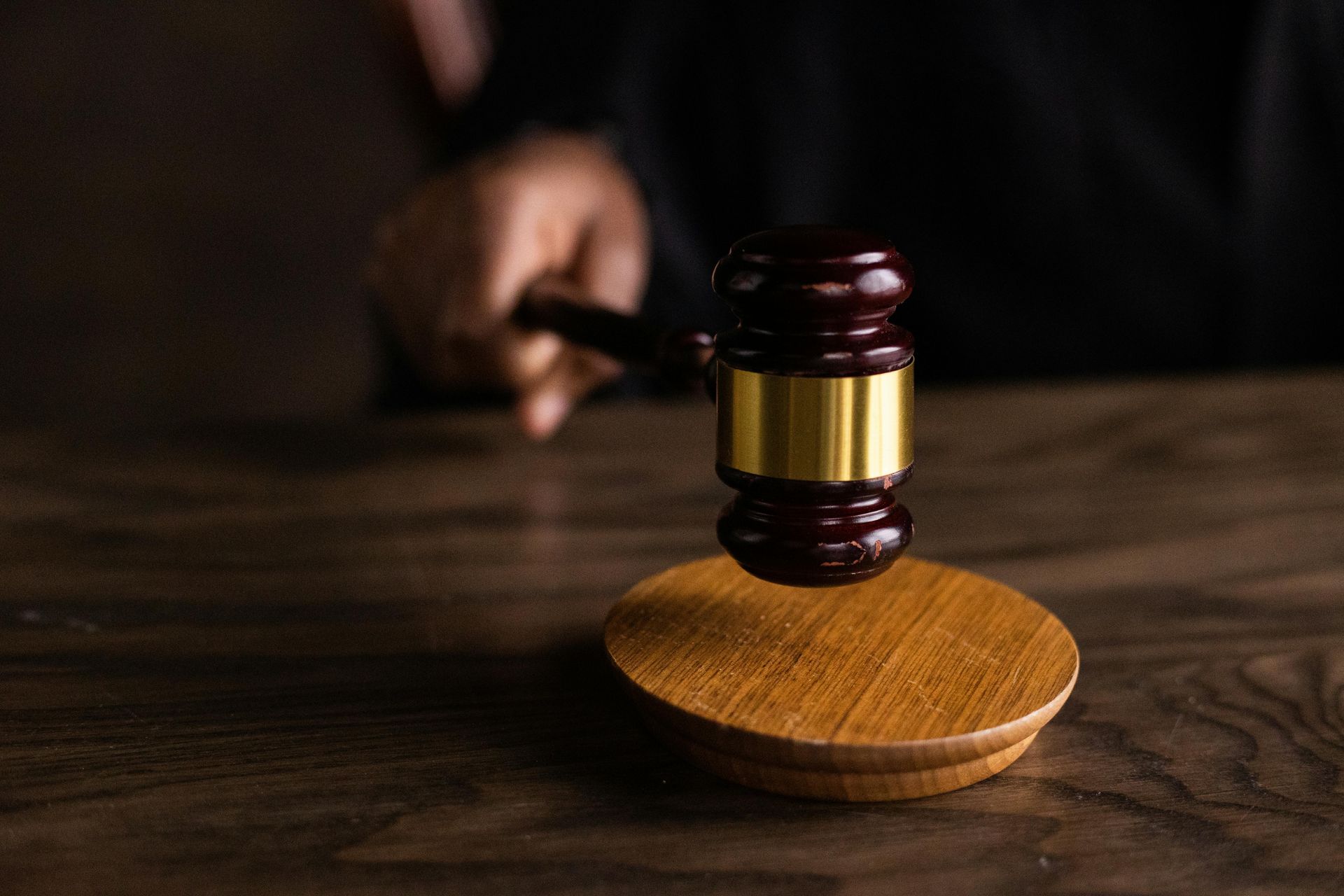
Appeals require a deep understanding of legal procedure and strategy. Appellate advocacy focuses on reviewing trial court decisions. Strong legal writing and analysis are critical. Experience matters at this level. Why This Matters: Appellate advocacy requires specialized knowledge to identify legal errors and present persuasive arguments. Experienced appellate attorneys increase the chances of a successful appeal. Contact Moreno Perdomo for experienced appellate advocacy services.

Before giving a recorded statement after an accident or property claim, understand how it can affect your insurance recovery.

Proactive legal planning protects assets and prevents disputes. Attorneys help clients plan for the future. Early planning reduces risk. Legal clarity provides peace of mind. Why This Matters: Legal planning with a Miami attorney helps individuals and businesses avoid litigation and protect long-term interests through proper documentation and legal foresight. Schedule a consultation to begin legal planning today.