Scheduling your first legal consultation is an important step. Whether your issue involves a car accident, real estate closing, insurance dispute, business conflict, or potential class action matter, preparation can make the meeting more productive.
Bringing the right documents allows the attorney to evaluate your situation efficiently and provide clearer guidance about possible next steps.
While every case is different, understanding what to gather ahead of time can help you make the most of your consultation.
For Car Accident or Personal Injury Matters
If your case involves a car accident, slip and fall, or other injury, documentation is essential.
Bring copies of the accident report if available, photographs of the scene or your injuries, insurance information for all parties involved, medical records related to treatment, and any written communication from insurance companies.
If you have received medical bills, estimates for vehicle repairs, or wage loss documentation, include those as well. Even if you believe the file is incomplete, providing what you have allows the attorney to identify what may still be needed.
For Insurance Claims and Property Damage Disputes
If you are meeting regarding a property damage claim, hurricane loss, or alleged insurance bad faith, bring a complete copy of your insurance policy if possible.
Also gather claim correspondence, denial letters, inspection reports, repair estimates, photographs of damage, proof of payment for temporary repairs, and notes regarding conversations with adjusters.
Insurance disputes often turn on timelines and written communications. The more organized your documentation, the easier it is to assess whether the claim has been handled appropriately.
For Real Estate Closings or Contract Issues
If your consultation involves a real estate transaction, bring the purchase agreement, any amendments or addenda, the title commitment if issued, lender correspondence, inspection reports, and any dispute-related communications between buyer and seller.
If the matter involves a post-closing issue, include the recorded deed, settlement statement, and any written notices exchanged after closing.
Contract interpretation depends heavily on precise language. Providing the full agreement rather than summaries allows for a more accurate review.
For Business or Partnership Disputes
For business-related matters, bring governing documents such as operating agreements, partnership agreements, shareholder agreements, or corporate bylaws.
If the dispute involves breach of contract, provide the contract at issue along with related communications, invoices, and evidence of alleged damages.
Financial records, meeting minutes, and written notices between partners may also be relevant. Organized documentation helps clarify the legal and strategic options available.
For Class Action or Consumer Issues
If you believe you may qualify for a class action or consumer claim, bring copies of receipts, contracts, billing statements, emails, marketing materials, or notices you received.
If you were sent a formal class action notice or data breach letter, include that documentation as well.
Even small details can be important when determining eligibility or evaluating potential remedies.
What to Expect During the Consultation
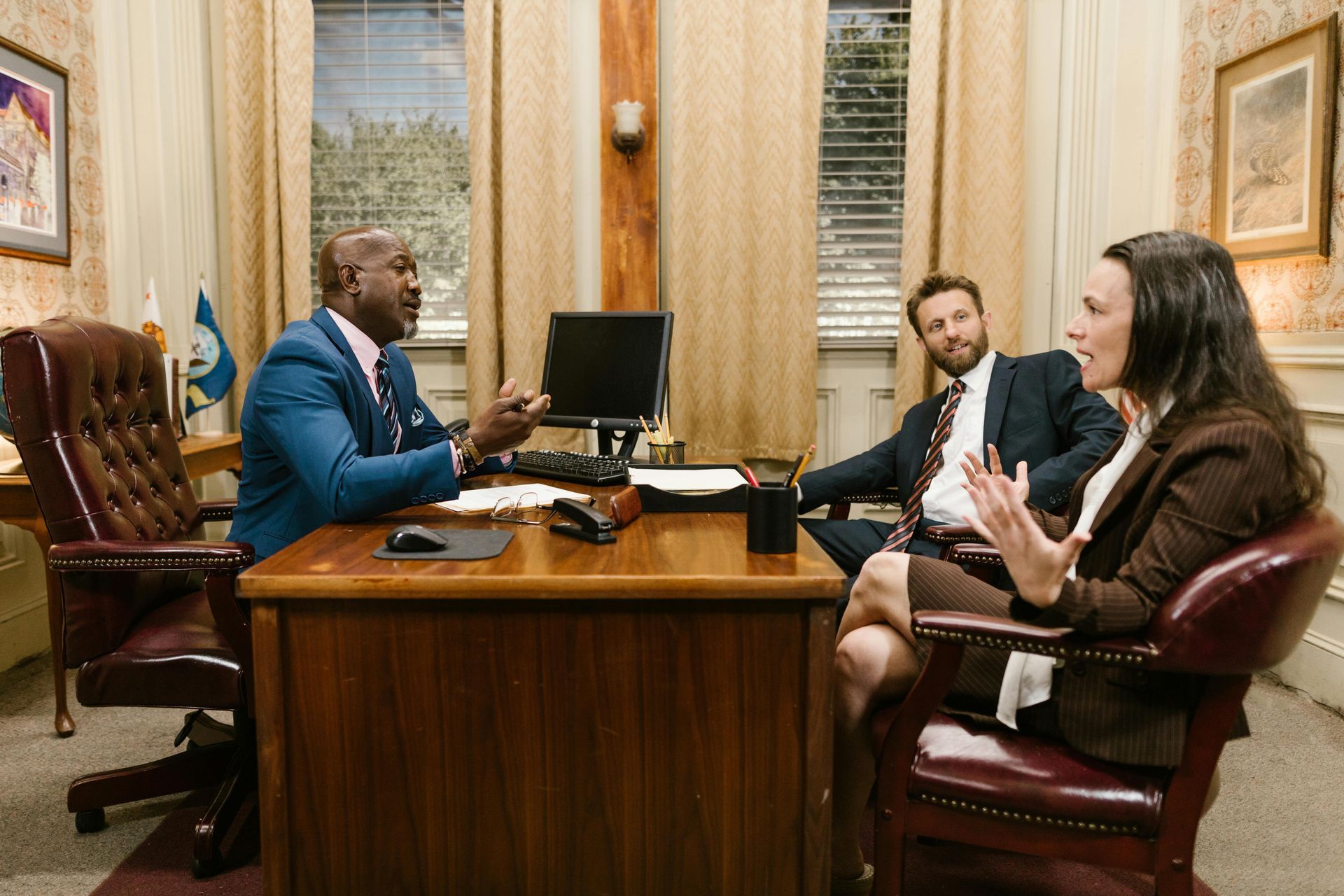
During your meeting, the attorney will typically review your documents, ask clarifying questions, and discuss potential legal strategies. The consultation may include discussion of timelines, procedural requirements, possible outcomes, and fee structures.
Not every matter results in immediate legal action. Sometimes the consultation confirms that negotiation, mediation, or further documentation gathering is the next appropriate step.
Being prepared allows the conversation to focus on substantive analysis rather than basic fact collection.
If You Do Not Have Every Document
Do not delay scheduling a consultation simply because your file is incomplete. Bring what you have and explain what may still be missing.
An attorney can often advise you on how to obtain additional records, request documents from opposing parties, or preserve important evidence.
Early guidance may help prevent mistakes that could affect your position later.
Final Thoughts
Your first consultation is an opportunity to gain clarity and direction. Bringing organized documentation helps ensure the time is used efficiently and productively.
Whether your issue involves injury, insurance, real estate, business disputes, or potential class action matters, preparation strengthens your ability to receive meaningful advice.