
What Happens at a Real Estate Closing in Miami? A Step-by-Step Guide

March 4, 2026

Buying or selling property in Miami is exciting — but the closing process can feel overwhelming if you don’t know what to expect. From title searches to signing final documents, each step plays a critical role in protecting your investment.


Whether you're purchasing a condo in Brickell, selling a home in Coral Gables, or investing in commercial property in Downtown Miami, understanding the closing process can help you avoid delays, reduce stress, and protect your financial interests.


Here’s a detailed, step-by-step breakdown of what happens at a real estate closing in Miami.


Step 1: The Purchase Agreement Is Signed

The closing process officially begins when the buyer and seller execute a written purchase agreement.

In Florida, most residential transactions use the standard Florida Realtors/Florida Bar contract, though commercial transactions may involve custom agreements tailored to the specific deal structure.

Once the contract is signed:


  • The buyer typically deposits escrow funds.
  • Inspection and financing deadlines begin.
  • The closing date is set.
  • Contract contingencies are triggered.


The purchase agreement becomes the roadmap for the transaction. Errors or misunderstandings at this stage can cause significant delays later.


Step 2: Escrow Is Opened

Escrow ensures that funds are held securely while all contractual conditions are satisfied.

In many Miami-Dade residential transactions, the seller selects the closing agent and pays for the owner’s title insurance policy. However, this can be negotiated.


Escrow protects both parties by:

  • Holding the buyer’s deposit securely
  • Releasing funds only after closing conditions are met
  • Ensuring documents are properly executed before disbursement


Step 3: The Title Search & Title Commitment

One of the most important steps in any Miami closing is the title search.


A title search reviews public records to confirm:

  • Legal ownership of the property
  • No outstanding liens or judgments
  • No unpaid property taxes
  • No unreleased mortgages
  • No boundary or recorded easement disputes


After the search is completed, a title commitment is issued. This document outlines the requirements that must be satisfied before issuing title insurance.


If problems are discovered — such as liens, unpaid HOA dues, or clerical errors in the chain of title — they must be resolved before closing can proceed.


Title defects are one of the most common causes of closing delays.


Step 4: Inspections & Negotiations

During the inspection period, buyers may conduct:

  • General home inspections
  • Roof inspections
  • Plumbing and electrical evaluations
  • Mold inspections
  • HOA document reviews


If issues are uncovered, buyers may negotiate:

  • Repairs
  • Credits
  • Price reductions
  • Contract cancellation


Missing inspection deadlines can limit a buyer’s options, so staying organized is essential.


Step 5: Financing & Underwriting

If the buyer is financing the purchase, the lender begins the underwriting process.

This includes:

  • Income verification
  • Credit review
  • Appraisal
  • Debt-to-income evaluation
  • Final loan approval

Before closing, the lender must issue a Closing Disclosure at least three business days in advance.

Underwriting delays are common — especially if documentation is incomplete or appraisal values come in lower than expected.


Step 6: Reviewing the Closing Disclosure

The Closing Disclosure outlines:

  • Final loan terms
  • Interest rate
  • Monthly payment
  • Itemized closing costs
  • Cash required at closing


Buyers should compare this document with the initial Loan Estimate and confirm that fees align with expectations.


Catching discrepancies early prevents costly corrections after closing.


Step 7: Preparing for Closing Day

Before closing, both parties should confirm:

  • Wire instructions (verify carefully to prevent fraud)
  • Government-issued ID
  • HOA estoppel letters (if applicable)
  • Proof of homeowner’s insurance


Wire fraud is an increasing concern in Miami real estate transactions. Always confirm wiring instructions verbally with a trusted contact before sending funds.


Step 8: Signing & Funding

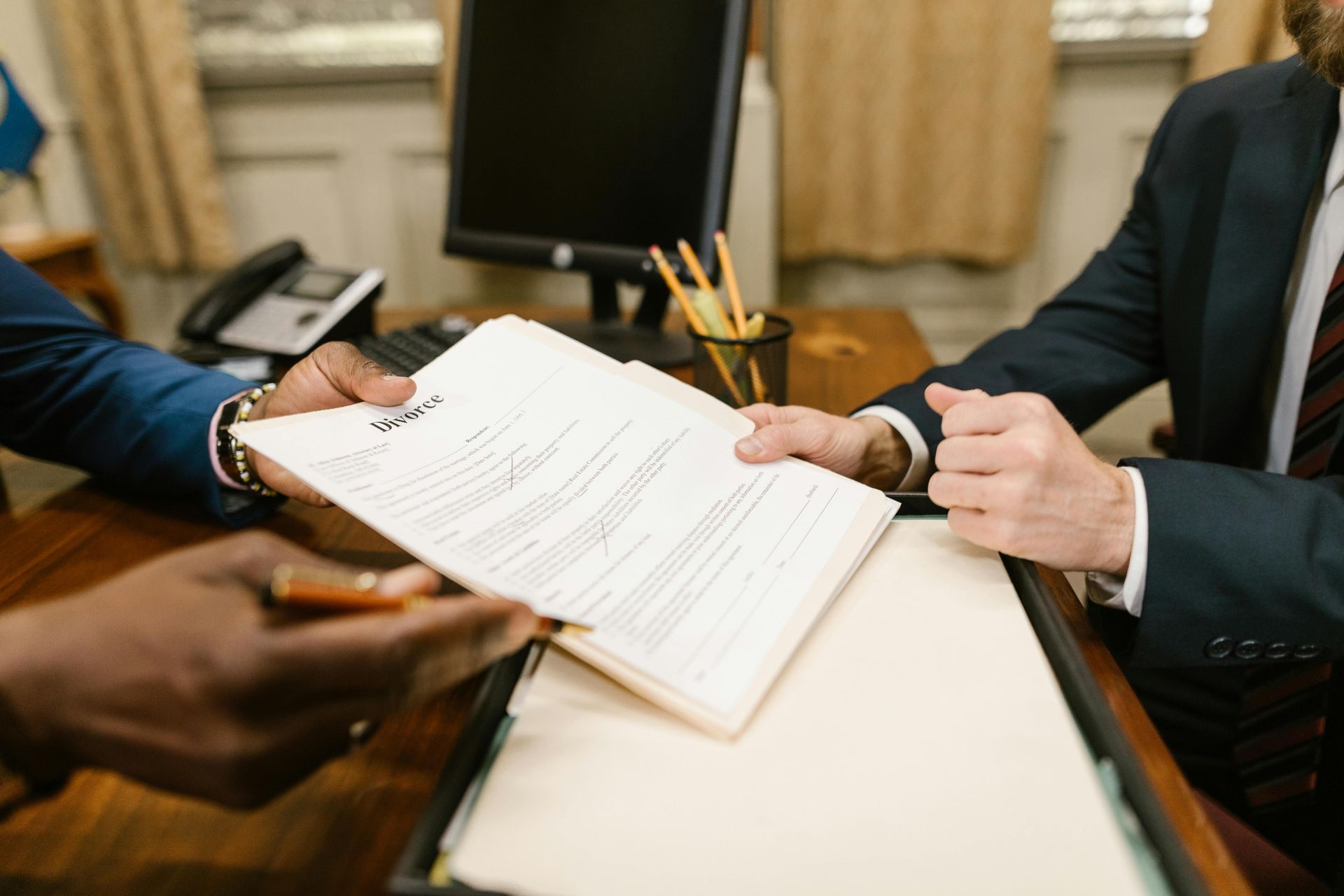
On closing day, buyers and sellers sign:

  • The deed
  • Mortgage documents (if financed)
  • Settlement statement
  • Title affidavits
  • Tax documents


After signing:

  • Funds are disbursed
  • Prior mortgages are paid off
  • Commissions are issued
  • The deed is recorded with Miami-Dade County


Once recording occurs, ownership officially transfers.


Common Issues That Can Delay Closing in Miami

Even well-organized closings may encounter complications, such as:

  • Unreleased liens
  • HOA estoppel issues
  • Last-minute lender conditions
  • Errors in wiring instructions
  • Missing signatures


Proactive coordination among all parties helps minimize these risks.


Do You Need an Attorney for a Real Estate Closing in Florida?


Florida does not require an attorney for residential closings. However, many buyers and sellers choose attorney-guided closings for:


  • Contract review and negotiation
  • Resolving title defects
  • Reviewing lender documents
  • Handling escrow disputes
  • Coordinating complex or commercial transactions


For high-value or investment properties, legal oversight can provide an additional layer of protection.


Final Thoughts

Real estate transactions in Miami move quickly — especially in neighborhoods like Brickell, Coral Gables, Downtown, Kendall, and Doral.

Understanding the closing process allows you to:


  • Avoid surprises
  • Protect your funds
  • Minimize delays
  • Close with confidence


If you have questions about an upcoming real estate closing in Miami-Dade or Broward County, early preparation and professional guidance can make a meaningful difference.

March 4, 2026
Prepare for your first consultation with a Miami attorney by bringing the right documents for injury, real estate, insurance, or business matters.

March 4, 2026
Received a data breach notification letter? Learn what steps to take to protect your identity and understand your legal options.
March 4, 2026
Wondering if you qualify for a class action lawsuit? Learn how class actions work and when you may be eligible to participate.

March 4, 2026
Facing a partnership dispute in Miami? Learn your legal options when a business partner violates the agreement.

March 4, 2026
Learn what qualifies as a breach of contract in Florida and how Miami businesses can enforce or defend contract claims.
March 4, 2026
Was your insurance claim denied or delayed? Learn what qualifies as bad faith under Florida law and when legal remedies may apply.

March 4, 2026
Hurricane damage claims in South Florida are often delayed or underpaid. Learn why this happens and how to protect your recovery.
March 4, 2026
Before giving a recorded statement after an accident or property claim, understand how it can affect your insurance recovery.
Damaged black car with red accents off-road, near green foliage.
March 4, 2026
Injured in a Miami car accident? Learn the immediate steps to protect your health, your rights, and your insurance claim.
Woman reviewing
March 4, 2026
Do you need a lawyer for a Florida real estate closing? Learn the risks, benefits, and when legal guidance can protect your investment.
Show More